If you’re thinking about installing a heated floor in your home on the South Shore, you’ve probably already heard about glycol and water-based systems. But really, what’s the difference? And more importantly, which one should you choose for your home in Brossard, Longueuil, or La Prairie?
It’s a question we hear often in our showroom at L’Artisan Espace Design. South Shore homeowners want year-round thermal comfort, especially when you consider Quebec winters, which can be pretty harsh. Heated floors truly transform the experience of a home, especially in the basement or in a tiled bathroom where the morning chill can be a real ordeal.
In this guide, we’ll demystify hydronic floor heating by explaining the difference between glycol and water, the pros and cons of each system, and how to choose the right flooring to maximize the efficiency of your installation on the South Shore.
What is a hydronic floor heating system?
A hydronic floor heating system refers to a radiant heating system that uses tubes installed under your floor through which a heated fluid circulates. This differs from electric floor heating (which uses heating cables or mats): here, heat is distributed via water or a water-glycol mixture.
The principle is simple: the hot fluid circulates through the pipes, warming the floor from below, and this heat spreads evenly throughout the room from the floor up. The result? Your feet stay warm, the room temperature is comfortable, and you don’t have those unpleasant drafts found with traditional convection systems.
This type of heating is particularly popular on the South Shore, where homes often have finished basements or ceramic tile floors in living areas. It’s a solution that really makes sense for improving winter comfort, given that our temperatures can drop well below zero from November through March.
Glycol vs. Water: The Fundamental
Differences
The Pure
Water System
The pure water system simply uses water heated by your boiler or heat pump to circulate through the pipes. It’s the simplest solution, the most economical to install, and the one that generally offers the best thermal conductivity.
However, the pure water system has one major drawback: if your pipe network ever freezes (during a prolonged power outage in the middle of winter, for example), you risk serious damage. That’s why it’s primarily recommended for indoor spaces that are heated continuously, such as the floor of a living room or bedroom.
The Glycol (Antifreeze)
System
Glycol is essentially antifreeze diluted in water. The concentration typically ranges from 25% to 50% depending on needs, which lowers the fluid’s freezing point and protects your system from the risk of freezing.
This is the preferred solution for at-risk areas: heated garages, sunrooms, solariums, or any area of your home on the South Shore where there could be significant temperature fluctuations. Glycol also helps protect the system’s metal components from corrosion.
The downside? Glycol has slightly lower thermal conductivity than pure water, and the fluid must be replaced every 5 to 8 years. Maintenance costs are therefore slightly higher, but the peace of mind it provides is often worth the difference.
Comparison chart: glycol vs. water
To help you choose, here are the main criteria to compare:
- Freeze resistance: Glycol = excellent · Pure water = no protection
- Thermal conductivity: Glycol = good · Pure water = excellent
- Installation cost: Glycol = slightly higher · Pure water = standard
- Maintenance: Glycol = fluid replacement every 5–8 years · Pure water = minimal
- Recommended areas: Glycol = garages, temporary spaces · Pure water = heated
- residential spaces
- System durability: Glycol = corrosion protection included · Pure water = depends on water
- quality
Which flooring should you choose with underfloor heating on the South Shore?
This is probably the most important question after choosing your type of fluid. Not all flooring options are compatible with a hydronic system, and some perform much better than others.
Ceramic and porcelain: the top
choice
Ceramic and porcelain tiles are the most compatible materials for underfloor heating. Their high thermal conductivity allows heat to be transferred quickly and evenly. On the South Shore, they’re often the top choice for bathrooms, kitchens, and entryways.
At L’Artisan Espace Design, our collection of porcelain tiles offers options perfectly suited for radiant heating systems. We can guide you toward the sizes and thicknesses that will optimize the performance of your installation.
SPC Vinyl Flooring: An Excellent Alternative
SPC (Stone Polymer Composite) vinyl flooring is becoming increasingly popular on the South Shore, and for good reason: it’s compatible with most hydronic floor heating systems. The key is to verify that the flooring is certified for radiant heating, as temperature fluctuations can affect certain less durable products.
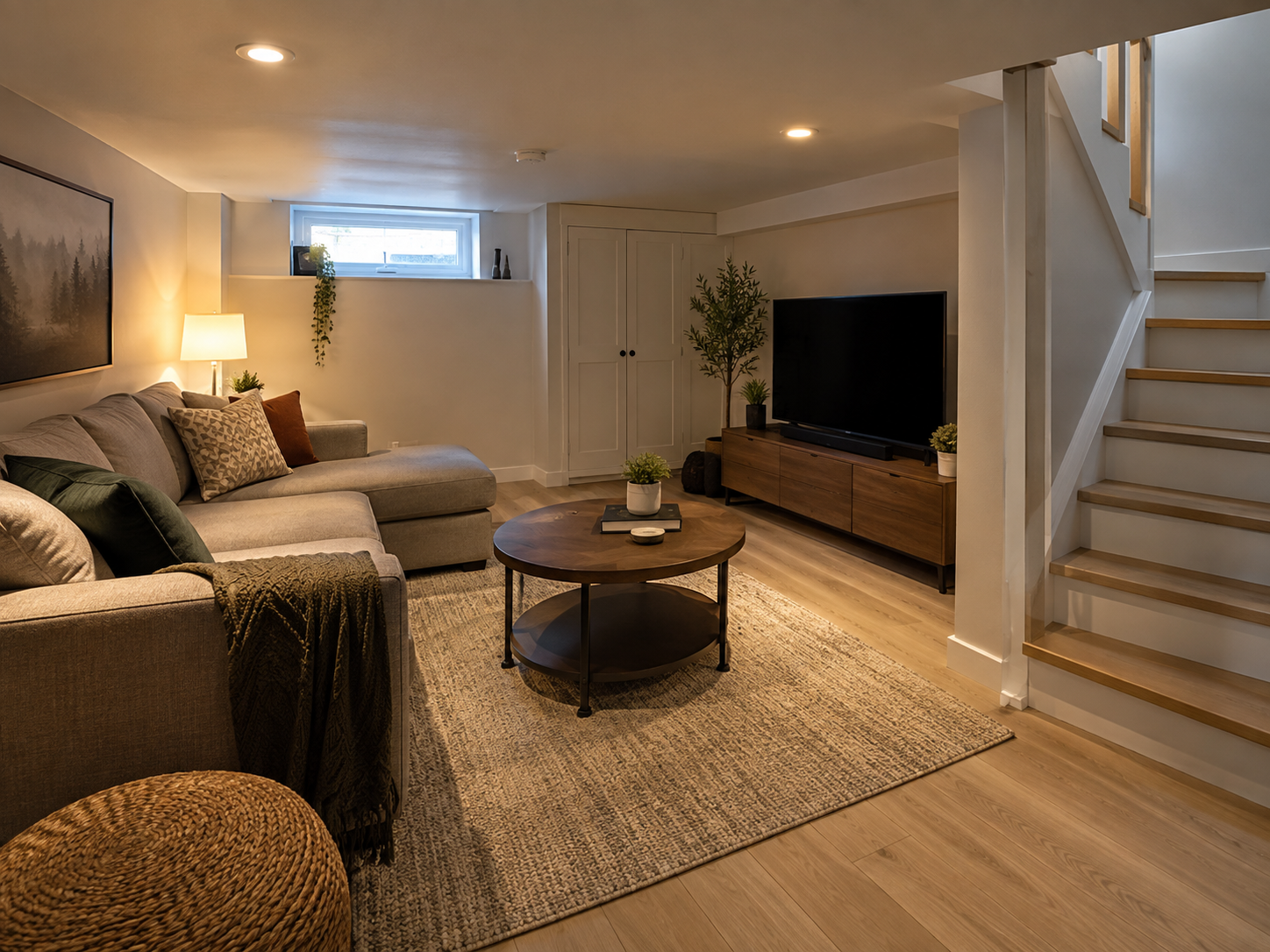
Our range of SPC vinyl flooring at AED includes products specifically designed to work with hydronic systems, with certifications that guarantee their dimensional stability between 15 °C (59 °F) and 28 °C (82.4 °F). It’s the right choice for basements and high-humidity areas on the South Shore.
Engineered
hardwood flooring
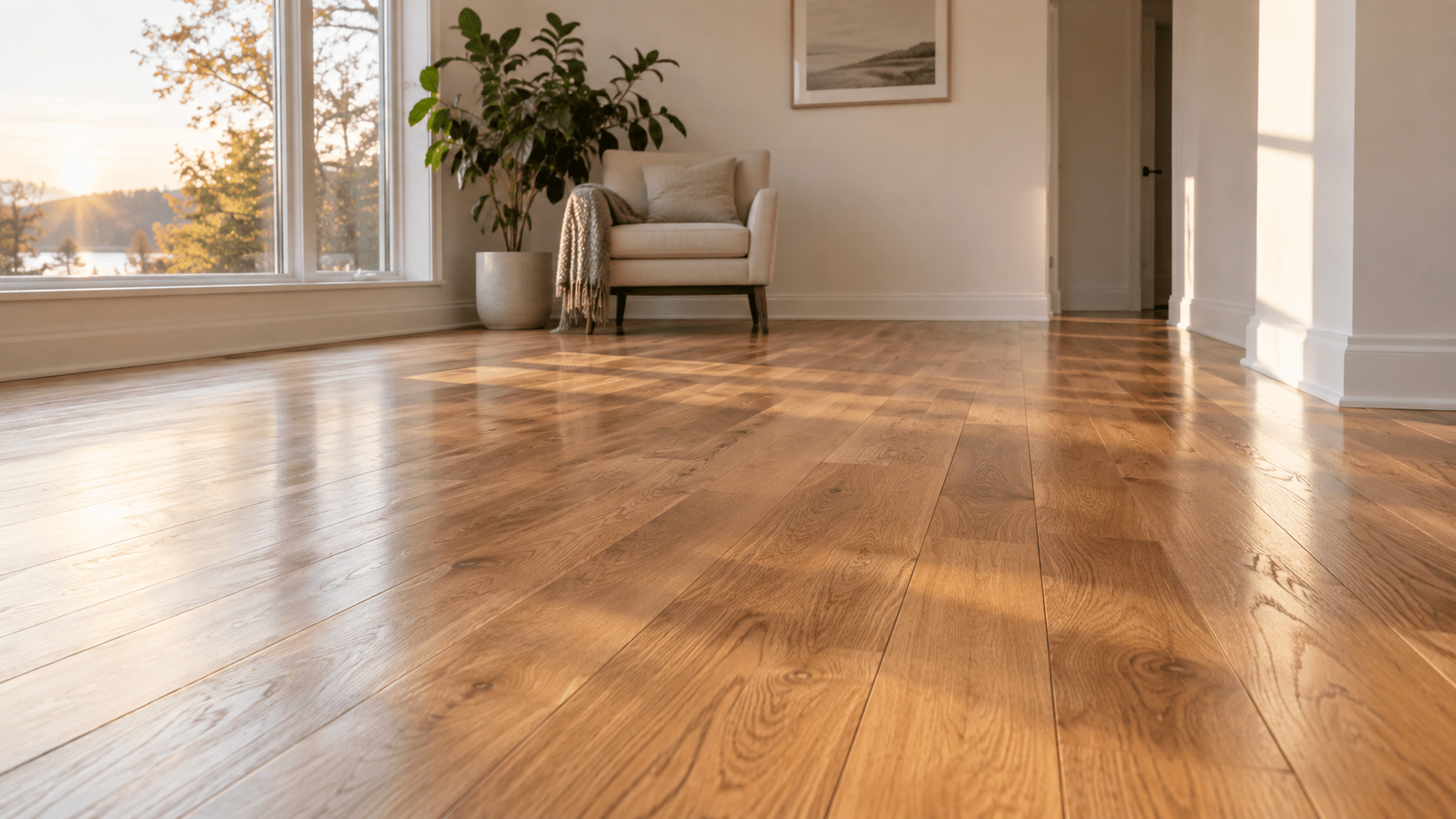
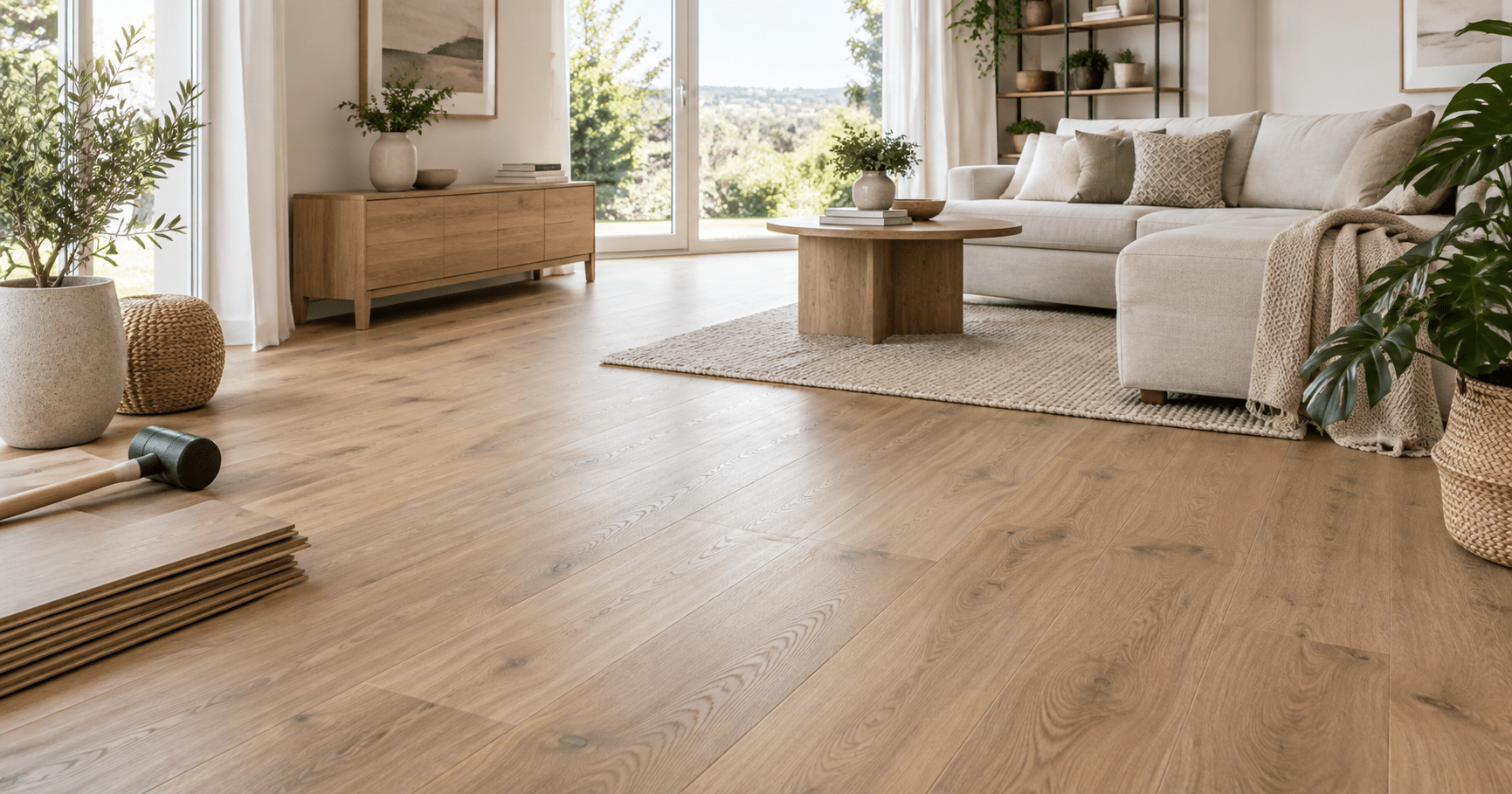
Engineered wood is compatible with radiant floor heating, provided certain precautions are followed. The multi-layer structure of engineered wood flooring provides greater stability than solid wood when faced with fluctuations in temperature and humidity, making it more suitable for use with a hydronic system.
However, the floor temperature must be kept below 27°C (80.6°F), and sudden temperature fluctuations should be avoided. Our team at L’Artisan Espace Design can advise you on the best wood species and the most suitable products for your specific situation on the South Shore.
What to Avoid
Solid wood flooring is generally not recommended for use with hydronic systems, as temperature fluctuations cause it to expand and contract excessively, leading to cracks, warping, and heat loss. Poor-quality laminate flooring should also be avoided.
Installing a heated floor on the South Shore: What You Need to Know
Installing a hydronic heated floor is a project that requires careful planning. On the South Shore, our region’s unique climate—hot, humid summers combined with harsh winters—has a direct impact on the system’s design.
Hydronic pipes can be installed in two ways: either embedded in a concrete slab (the traditional method) or secured beneath the floor in prefabricated panels for a dry installation. The dry method is becoming increasingly popular in renovation projects because it allows for installation without pouring concrete and results in faster heat-up times.
In both cases, insulation beneath the pipes is crucial for maximizing the system’s efficiency. Proper insulation prevents heat from escaping downward (toward the basement concrete slab, for example) and directs all the energy toward the floor and living space.
Costs of a Hydronic Floor Heating System on the South Shore in 2026
In 2026, the cost of installing a hydronic floor heating system on the South Shore will vary depending on several factors: the area to be heated, the type of system chosen (glycol or water), the installation method, and the type of flooring.
- Pure water system (standard residential): $15 to $25 per square foot (installation included)
- Glycol system: $18 to $30 per square foot (installation included)
- Cost of the boiler or heat pump: $3,000 to $8,000 (depending on capacity)
- Recommended annual maintenance: $200 to $400 for a system
- inspection and check-up
These costs can vary significantly depending on suppliers and the complexity of the project. At L’Artisan Espace Design, we can guide you toward the best options for your budget while recommending the flooring that’s best suited to your system.
L’Artisan Espace Design on the South Shore: Your Underfloor Heating
Expert
At L’Artisan Espace Design, we understand the specific challenges South Shore homeowners face when it comes time to renovate. Our showroom in Brossard is the perfect place to see, touch, and compare the various flooring options compatible with your radiant floor heating system.
Our team of design consultants can help you choose the product that will maximize your home’s comfort while staying within your budget. Whether you live in Longueuil, Saint-Lambert, La Prairie, or Brossard, we’ll come to you to provide a free estimate and offer the best options on the market.
We take care of everything, from purchasing the materials to professional installation—that’s the true “one-stop shop” concept we offer on the South Shore. Contact us for a no-obligation quote.
FAQ — Glycol or Water-Based Radiant Floor Heating on the South
Shore
1. What is the main difference between glycol and water in a radiant floor heating system?
The main difference is freeze resistance. Pure water is an excellent heat conductor, but it freezes at 0 °C (32 °F). Glycol is mixed with water (at a concentration of 25–50%) to lower the fluid’s freezing point, which protects the system from freezing in areas that aren’t heated year-round, such as a garage or sunroom.
2. Is hydronic floor heating effective in the South Shore climate?
Absolutely. Radiant heating is particularly well-suited to Quebec’s climate. On the South Shore, where winters are long and harsh (Brossard, Longueuil, La Prairie), floor heating maintains a constant, comfortable temperature without overheating the ambient air. Modern systems are highly energy-efficient and integrate seamlessly with a geothermal heat pump or a solar water heater.
3. What type of flooring works best with a radiant heating system?
Ceramic and porcelain tiles offer the best thermal conductivity. SPC vinyl flooring certified for radiant heating is an excellent alternative, especially for basements. Engineered wood flooring is acceptable if the temperature does not exceed 27°C (80.6°F). Solid wood is generally not recommended.
4. How long does it take to heat a hydronic floor?
The time it takes to reach the set temperature varies depending on the type of installation. A system poured into a concrete slab generally takes 4 to 8 hours to reach the set temperature, but then maintains a stable heat for hours without needing frequent cycling. Dry systems (panel-based) heat up faster, in 1 to 3 hours, but have lower thermal inertia.
5. Does underfloor heating work with vinyl flooring?
Yes, provided you choose vinyl certified for radiant heating. SPC vinyl flooring is generally compatible, but you must ensure that the manufacturer’s recommended maximum temperature (often 27–28 °C) is not exceeded. At L’Artisan Espace Design, all our vinyl products compatible with radiant heating are clearly labeled.
6. Does the fluid in a glycol-based system need to be changed regularly?
Yes. Glycol degrades over time and loses its effectiveness. It is recommended to test the fluid annually and replace it completely every 5 to 8 years, depending on the type of glycol used (monoethylene or propylene glycol). Regular maintenance also helps ensure there is no corrosion in the system.
7. Does radiant floor heating increase the resale value of a home on the South Shore?
Yes, radiant floor heating is generally seen as an asset when selling a home on the South Shore. Quebec buyers particularly appreciate the thermal comfort it provides in winter. A properly installed and maintained system can increase the perceived value of your property, especially in Brossard and Saint-Lambert, where the real estate market is very active.
8. Can you install a heated floor in a finished basement?
Absolutely. A finished basement is actually one of the places where underfloor heating makes the biggest difference, since it’s often the coldest area of the house. For a basement, SPC vinyl is particularly recommended due to its moisture resistance. You should also ensure there is adequate insulation under the pipes to prevent heat from escaping into the concrete slab.
9. What is the energy consumption of a hydronic floor heating system?
A well-designed hydronic floor heating system can be up to 25% more efficient than a traditional convection heating system, since the room temperature can be kept 2 to 3 degrees lower while providing the same level of comfort. This is because radiant heat starts from the floor, where people are. Actual energy consumption depends on your home’s insulation, the heated area, and the outdoor temperature.
10. What are the recommended brands for hydronic pipes in Quebec?
PEX (cross-linked polyethylene) tubing is the standard for hydronic systems in Quebec. The brands Uponor, Rehau, and Watts are recognized for their quality and durability. For glycol-based systems, make sure the glycol used is food-grade (propylene glycol) for systems near potable water lines, or industrial-grade (monoethylene glycol) for completely separate systems.
11. Can I install a hydronic floor heating system myself?
Technically, an experienced DIYer can install the pipes, but the hydraulic and electrical connections (thermostat, circulation pump) must be made by a licensed plumber and an electrician. On the South Shore, building codes require that this work be performed by certified professionals. A poorly installed system can lead to leaks, reduced efficiency, and even the risk of significant damage.
12. How do I know if my current floor is compatible with a hydronic system?
The best way is to consult a professional. In general, any floor that can withstand stable temperatures up to 27–28°C (80.6°F to 82.4°F) can be used with a hydronic system. The key is to know the thermal tolerances of your current flooring. Our team at L’Artisan Espace Design can advise you on the compatibility of your flooring or suggest the best replacement options for your installation.
Ready to transform the comfort of your home on the South Shore? Visit our showroom in Brossard or contact us for a free estimate. Our team will guide you toward the system and flooring that perfectly match your needs.
Do you have a flooring project on the South Shore? Request a free quote from the team at L’Artisan Espace Design.